Defining starvation ketoacidosis?
Starvation ketoacidosis is a form of metabolic acidosis that develops when the body does not receive enough carbohydrate or overall fuel and turns primarily to fat for fuel. This shift leads to ketosis, a state in which the liver makes ketone bodies to deliver energy. When this process becomes stronger, acid production rises enough to alter acid-base balance and change laboratory values.
The trigger is usually fasting, prolonged poor intake, or malnutrition. In these situations, the body experiences an energy deficit and a gradual drop in circulating glucose availability. As glucose availability declines, the body increases fat metabolism, which raises ketoacid production. This is different from everyday short-term ketosis because starvation states can produce a clinically meaningful acid-base disturbance.
Starvation ketoacidosis often occurs when nutritional deprivation is severe enough that the liver generates more acidic byproducts than the body can easily buffer. The main ketone-related acids are beta-hydroxybutyrate and acetoacetate. These compounds are part of normal ketone physiology, but in excessive amounts they contribute to metabolic derangement and a recognizable pattern of high anion gap metabolic acidosis.
Understanding this process matters because not all ketosis is the same. In starvation ketoacidosis, the key issue is not simply the presence of ketones, but the combination of glucose depletion, acid generation, and the resulting change in laboratory interpretation. That is why the Anion Gap Calculator can be valuable as a quick tool for clinical interpretation of the lab pattern.
How starvation ketoacidosis Elevates the Anion Gap
The anion gap goes up when acids build up in the blood and their charged components are not directly measured in a standard electrolyte test. In starvation ketoacidosis, the major cause is the buildup of unmeasured anions generated from ketone bodies. As beta-hydroxybutyrate and acetoacetate https://anion-gap-reader788.lumenforgex.com/posts/corrected-anion-gap-calculator-in-laboratory-interpretation increase, they consume buffering capacity and leave behind negatively charged acid metabolites that raise the gap.
This is the classic mechanism of a high-gap acidosis. The body responds to acid buildup by lowering bicarbonate, which is the primary buffer consumed during acidosis. As bicarbonate falls, the gap often widens because the lost buffer is functionally replaced by acidic anions that are not directly reflected in routine chemistry values.
The process is driven by ketone accumulation during prolonged fasting or nutritional deprivation. When insulin levels are relatively low and glucose intake is insufficient, the body shifts toward ketone production for fuel. This adaptive response becomes harmful when ketone generation outpaces utilization and elimination. The resulting organic acids shift acid-base balance and produce the elevated anion gap seen on labs.
Although both ketone bodies contribute, beta-hydroxybutyrate is often the dominant acid in more significant ketoacid states. Acetoacetate also adds to the measured acid load, but the total burden depends on severity, duration, and physiologic stress. The important point is that the ketones function as organic acids, and their presence explains why starvation ketoacidosis is a true cause of anion gap calculation abnormalities rather than a benign lab curiosity.
Put simply: starvation creates an energy shortage, the body burns fat, fat metabolism yields ketones, and those ketones act as unmeasured acids. That chain of events is why the anion gap rises.
How to Work Out and Analyze the Anion Gap
An Anion Gap Calculator can help estimate whether the electrolyte profile supports a high-gap acidosis. The standard calculation uses sodium, chloride, and bicarbonate:
Anion gap = sodium - (chloride + bicarbonate)
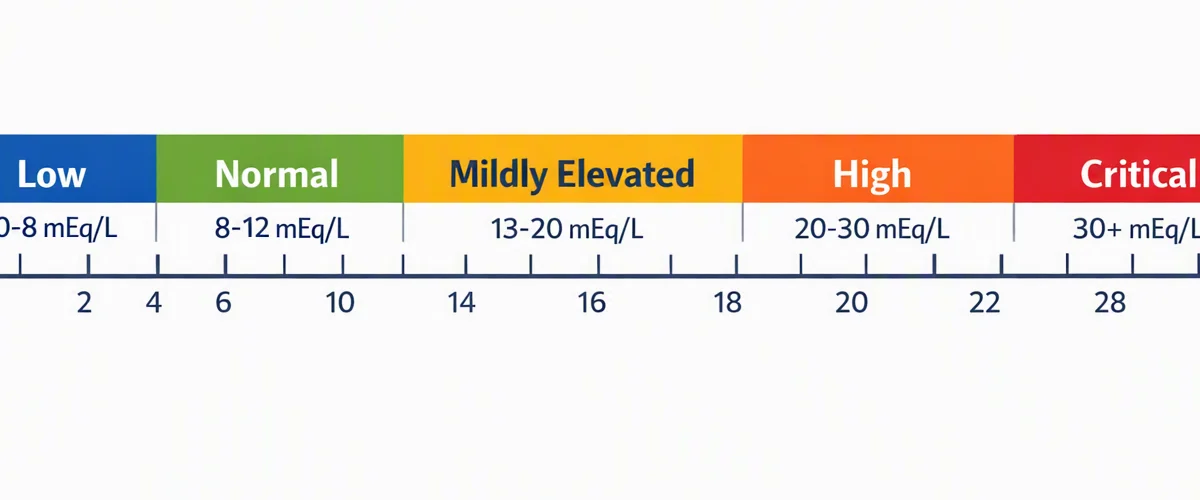
This formula is simple, but how you interpret it depends on the full clinical context. A result above the expected range suggests too many unmeasured anions, while a result within the normal range makes starvation ketoacidosis less suspected or suggests an initial / less severe stage. Because reference ranges vary by lab, the exact cutoff should be read alongside the local laboratory values and the patient’s overall picture.
In prolonged fasting ketoacidosis, the anion gap increases because bicarbonate is consumed buffering the acids generated by ketogenesis. The low bicarbonate often parallels the extent of acidosis. At the same time, chloride may be relatively normal or may rise in mixed patterns depending on volume status and replacement fluids. Sodium is required for the calculation and may also shift with dehydration, poor intake, or concurrent illness.
When working with an Anion Gap Calculator, it helps to think in terms of clinical interpretation rather than a single result. A modestly elevated gap may still be meaningful if the patient has clear starvation, vomiting, poor food intake, or visible ketosis. A very high value suggests a more severe metabolic acidosis or another concurrent cause of high anion gap metabolic acidosis.
When interpreting the result effectively, combine the gap with the rest of the laboratory picture:
- Sodium: helps frame the overall calculation and assess hydration or dilutional effects. Chloride: helps show whether the acidosis is accompanied by adaptive or mixed changes. Bicarbonate: often falls as acid load increases and is a key marker of how severe it is.
This calculation represents just one piece of the puzzle. The goal is not only to detect an out-of-range result, but to connect it to the pattern of ketotic state, pH disturbance, and the likely cause of the metabolic imbalance.
Characteristic Laboratory Findings in Starvation Ketoacidosis
Starvation ketoacidosis has a recognizable laboratory profile, although the exact pattern varies depending on the length of fasting, degree of malnutrition, and any coexisting illness. The most helpful tests often include serum glucose, electrolytes, arterial blood gas, and serum ketones.
Serum glucose is frequently normal or low rather than markedly elevated. One of the main clues separating starvation ketoacidosis from other forms of ketoacidosis. Because the underlying problem is insufficient intake rather than excess glucose, the glucose level may reflect reduced stores rather than hyperglycemia.
Electrolytes often show the biochemical signature of acid-base stress. The bicarbonate level is usually low, supporting the diagnosis of metabolic acidosis. Sodium and chloride may vary depending on fluid losses, vomiting, dehydration, or treatment before testing. Assessing the entire set of serum electrolytes helps determine whether the picture is isolated or mixed.
Serum ketones are typically positive, and if quantitative testing is available, elevated beta-hydroxybutyrate supports the diagnosis more strongly than a basic urine ketone screen alone. This is because urine ketone testing may underrepresent the burden of beta-hydroxybutyrate. In starvation states, beta-hydroxybutyrate can be disproportionately elevated and is a major driver of the acid load.
An arterial blood gas may show acidemia with a low bicarbonate and compensatory respiratory changes. A patient may develop compensatory hyperventilation as the body tries to lower carbon dioxide and offset the acid load. This respiratory response helps maintain pH, but it does not correct the underlying problem.
Common findings may include:
- Low or normal serum glucose Low bicarbonate Positive serum ketones Elevated beta-hydroxybutyrate and acetoacetate Abnormal electrolytes Acid-base changes on arterial blood gas
These findings support the diagnosis, but they also help estimate severity. The more pronounced the acidosis and ketone burden, the more likely the anion gap is to be clearly elevated.
How It Differs With Diabetic Ketoacidosis and Other Causes
Starvation ketoacidosis can look similar to other sources of high anion gap metabolic acidosis, so separating it from related conditions is crucial. The nearest mimic is diabetic ketoacidosis, but there are several differences.
In diabetic ketoacidosis, the core issue is insulin deficiency, which triggers severe ketone production and usually produces far higher glucose levels. In starvation ketoacidosis, is driven by glucose depletion and inadequate intake. The patient may have typical or low glucose rather than marked hyperglycemia. That distinction changes both the diagnostic thinking and treatment priorities.
Alcoholic ketoacidosis is another key differential. It often occurs after poor intake combined with heavy alcohol use and may share features of starvation physiology. Like starvation ketoacidosis, it can produce ketone-related acids and an elevated anion gap. The broader context, however, differs, and alcohol use can add additional metabolic complexity.
Lactic acidosis is another major cause of anion gap elevation. Instead of ketone bodies, lactate is the main unmeasured anion. Lactic acidosis may occur with tissue hypoperfusion, sepsis, or other forms of metabolic stress. If lactate is elevated, it can explain part or all of the gap, even if ketosis is present at the same time.
Renal failure can also raise the gap because failing kidneys cannot clear acids effectively. In that setting, retained acids and other retained solutes contribute to the anion gap. Renal impairment can coexist with starvation or dehydration, which makes interpretation more difficult and reinforces the need for deliberate diagnostic evaluation.
The key differences often come down to the pattern of labs and the clinical story:
- Diabetic ketoacidosis: usually marked hyperglycemia and insulin deficiency Starvation ketoacidosis: fasting, malnutrition, low or normal glucose, ketone-driven acidosis Alcoholic ketoacidosis: alcohol use plus poor intake, overlapping metabolic features Lactic acidosis: elevated lactate from hypoperfusion or stress Renal failure: impaired acid clearance and retained metabolic acids
Because these conditions can overlap, the best approach is to use the anion gap as a first step, not the final diagnosis. The gap identifies the presence of excess unmeasured anions, but only the rest of the clinical picture can establish the cause.
When a High Anion Gap Needs Immediate Evaluation
A elevated anion gap in every case merits care, but the need for action depends on the severity, associated symptoms, and the complete acid-base disorder. Starvation ketoacidosis may be mild in some cases, but it can still become serious if the patient is volume depleted, not able to eat, or has another illness adding to the metabolic disturbance.
Urgent evaluation is important when symptoms suggest progressive acidosis or systemic illness. These may include mental status changes, pronounced weakness, persistent vomiting, increased respiratory rate, dehydration, or inability to sustain oral intake. A patient with clear acidemia on an arterial blood gas and an increased gap needs prompt clinical assessment rather than mere observation.
The concern is not only the ketones themselves, but the larger acid-base balance. If bicarbonate continues to fall, the acidosis can worsen. If the patient has concurrent infection, vomiting, renal impairment, or significant volume depletion, the metabolic picture can decline quickly.
Useful considerations during assessment include:
- How long the patient has had reduced intake or fasting Whether there is malnutrition or ongoing poor nutrition Evidence of ketosis or substantial ketone burden Whether serum glucose is low, normal, or elevated Whether another cause of high anion gap metabolic acidosis may also be present
If the patient is symptomatic or the laboratory values show a major metabolic derangement, the issue should be treated as beyond a simple electrolyte abnormality. The elevation in the anion gap is a marker of underlying acid production, and the reason for that acid load must be identified.
Common Questions About ketoacidosis from starvation and Anion Gap
Does starvation ketoacidosis necessarily cause a elevated anion gap?
Not in every case, but it often does. fasting ketoacidosis typically raises the anion gap because ketone-related acids create unmeasured anions. In initial or subtle cases, the gap may be only mildly increased or even appear near normal if the acid load is limited or if other electrolyte changes are present. The overall clinical context and anion gap interpretation matter as much as the number itself.
How high is the anion gap in ketoacidosis from starvation?
The degree of elevation changes with the severity of ketosis, duration of fasting, and presence of other illnesses. Some cases show a mild to moderate rise, while more severe starvation ketoacidosis can produce clear high anion gap metabolic acidosis. The exact level is secondary than whether the result aligns with the rest of the picture, including bicarbonate, serum glucose, and ketone testing.
Which lab tests help confirm ketoacidosis from starvation?
The best tests include serum glucose, electrolytes, arterial blood gas, and serum ketones. Quantitative beta-hydroxybutyrate is especially helpful because it reflects the main ketone burden more accurately than some urine tests. These results, combined with the history of poor intake or malnutrition, support the diagnosis.
In what way is starvation ketoacidosis different from DKA?
Diabetic ketoacidosis is driven by insulin deficiency and usually presents with markedly elevated glucose levels. Ketoacidosis from starvation is caused by glucose depletion from inadequate intake and often has normal or low serum glucose. Both can produce ketosis and elevated anion gap acidosis, but the trigger, lab pattern, and treatment approach differ.
Can the anion gap normalize to expected levels after therapy?
Yes. Once the underlying issue is corrected, ketone production drops, unmeasured anions lessen, and the anion gap can come back toward typical values. Management usually addresses the energy deficit, fluid replacement, and electrolyte abnormalities, which helps reestablish acid-base balance. Repeat laboratory values are often used to confirm improvement in metabolic acidosis and overall metabolism.
Starvation ketoacidosis is a real acid-base disturbance, not just a simple ketotic state. The key pattern is the elevation in the anion gap from ketone-related organic acids, especially beta-hydroxybutyrate and acetoacetate, during periods of fasting or malnutrition. An Anion Gap Calculator helps you spot that pattern rapidly, but the most precise interpretation always comes from linking the calculation with the clinical story, laboratory values, and thoughtful medical assessment.