What the Anion Gap Evaluates
The anion gap is a derived value that enables clinicians read electrolytes and judge acid-base balance. It is based mainly on the connection between sodium, chloride, and bicarbonate in a serum chemistry panel or electrolyte panel. Because it is not directly measured, the anion gap relies on the accuracy of the underlying lab values.
In plain terms, the calculation estimates the difference between the measured positive and negative ions in blood. This makes it helpful for spotting an electrolyte imbalance or an acid-base disorder such as metabolic acidosis. A result outside the expected reference range can be medically important, but only if the input values are reliable.
An anion gap calculator helps clinicians and patients rapidly estimate the result from lab values. However, because the calculation is only as good as the numbers entered, any issue affecting sodium, chloride, or bicarbonate can shift the final answer. That is why result interpretation should always review the full lab context, not just the number itself.
How an Anion Gap Calculator Functions
An anion gap calculator commonly uses serum sodium, serum chloride, and bicarbonate to generate an estimate. The standard formula is:
Anion gap = Sodium − (Chloride + Bicarbonate)Some versions also account for albumin or use a varying testing method, which can lead to small changes in the final number. That is why measurement variability can occur even when the same person is tested more than once.
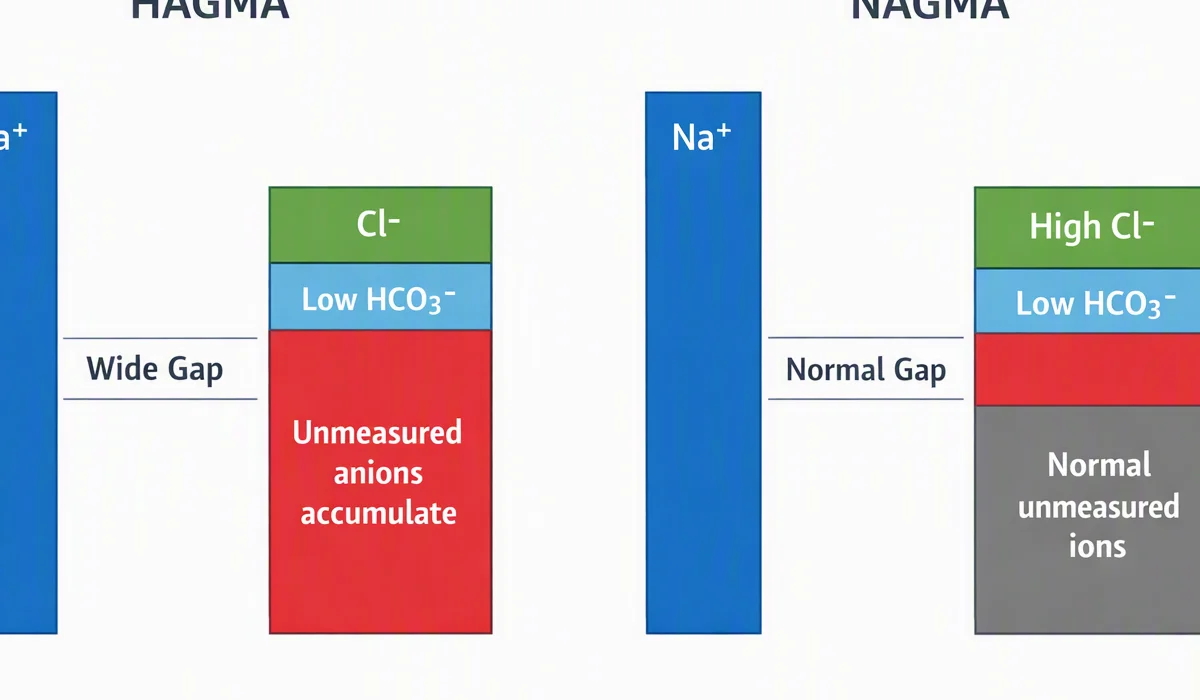
The clinical purpose of the calculation is to help detect hidden acid accumulation, especially in cases of metabolic acidosis or lactic acidosis. If the gap is unexpectedly high or low, the next step is usually not to assume disease immediately. Instead, clinicians review the lab specimen, check for interference, and compare the result with the patient’s symptoms and other tests.
Because the anion gap is derived from multiple analytes, a single error in sodium, chloride, or bicarbonate can affect the result. This is why an accurate result depends on both the machine and the sample. Even small shifts in bicarbonate can change the output enough to affect diagnostic accuracy.
Can Laboratory Errors Influence Anion Gap Values?
Indeed. A testing error can absolutely affect anion gap results, sometimes enough to cause a false high or false low result. These errors can occur before the test arrives at the analyzer, during the measurement itself, or after the result is generated. In other words, the issue may be due to a preanalytical error, analytical error, or postanalytical error.
One common issue is specimen contamination. If a blood sample is exposed to IV fluids or other substances, the measured electrolytes may not reflect the patient’s true chemistry. Another concern is direct measurement error, where the analyzer misreads the sample because of interference or a technical problem. These errors can change the sodium, chloride, or bicarbonate values that feed the calculation.
Not all unexpected results are caused by a broken process, though. Sometimes the number is correct, but the clinical meaning is different because of albumin levels or another medical condition. Still, when the result does not fit the patient’s picture, repeat testing is often the safest next step.
Common Collection Causes of Unexpected Results
Preanalytical error happens before the sample is actually analyzed, and it is one of the biggest reasons an anion gap may be misleading. Problems during collection, transport, or storage can alter the lab specimen and create an unexpected result.
Hemolysis is a common issue. When red blood cells break open, the sample may be affected in ways that interfere with accurate electrolyte measurement. Even if hemolysis does not always change the anion gap directly, it can compromise the reliability of the data feeding the calculator.
Delayed processing can also matter. If a sample sits too long before analysis, ongoing cellular activity can shift electrolyte values. That is a sample handling problem, not a true change in the patient’s blood chemistry. In turn, the calculator may show a value that is no longer representative of the body’s current state.
Specimen mislabeling is yet another important reason of error. In cases where the wrong patient label is placed, the result may be assigned for the wrong person entirely. That causes a serious problem for result analysis and can lead to avoidable confirmatory testing follow this link or late treatment.
Collection tube contamination can also distort results. A tube that contains residue, additives, or contamination from another source may change sodium, chloride, or bicarbonate values. Even small contamination issues can cause a incorrectly high or incorrectly low anion gap, especially when the true value is close to the edge of the reference range.
Analytical and Postanalytical Errors to Know
During analysis, instrument calibration plays a key role in accuracy. If the analyzer is not properly calibrated, the lab may generate incorrect sodium, chloride, or bicarbonate values. That type of analytical error can change the anion gap without any change in the patient’s condition.
Quality control helps catch these problems, but no system is entirely reliable. A device may pass routine checks and still deliver an occasional inaccurate result because of a temporary malfunction or interference. That is why quality assurance protocols are so important in high-volume testing environments.
After testing, a postanalytical error can occur if the result is transcribed incorrectly, released under the wrong patient profile, or interpreted with the wrong reference interval. A reporting error might lead someone to believe the anion gap is abnormal when it is actually within the expected reference range.
These issues may seem administrative, but they can have important clinical consequences. A mistaken result could prompt avoidable therapy or delay proper evaluation. Because of that, abnormal findings should always be checked in context, especially when they do not match the patient’s symptoms or related lab values.
Clinical Conditions That May Mimic a Lab Error
Not every unusual anion gap is due to a lab problem. Several medical conditions can lead to an unexpected result that appears to be an error. One of the main is hypoalbuminemia. Since albumin is a major unmeasured anion, low albumin can reduce the anion gap and make it appear falsely reassuring unless an adjustment is made.
A patient with kidney disease may have a genuine change in acid handling that alters the anion gap. In some cases, the result reflects accumulated acids rather than a flawed test. Similarly, lactic acidosis can increase the anion gap because lactate accumulates in the blood, which is a true metabolic abnormality rather than a laboratory mistake.
Metabolic acidosis is often the cause the anion gap is ordered in the first place. But the cause may be a true disorder, a mixed acid-base picture, or a corrected condition that does not match anymore the initial sample. That is why clinical significance depends on the complete picture, not the number alone.
In practice, a low albumin level can conceal a real problem, while a high lactate level can explain a clearly elevated gap. These conditions are important because they can mimic lab error, delay recognition, or lead to incorrect assumptions about specimen contamination. Careful result interpretation is essential.
How to Confirm an Unanticipated Anion Gap
When the anion gap is surprisingly high or low, the first step is often testing again. A second sample can help determine whether the result was caused by sample handling, measurement variability, or a real physiologic change. If the value normalizes on repeat, a preanalytical or analytical issue becomes more likely.
Albumin correction is another important step. Because albumin strongly influences the gap, clinicians may apply an albumin-corrected anion gap using a correction formula. This helps prevent overlooking a clinically important elevation when albumin is low.
Blood gas analysis can provide more insight into acid-base status. It may confirm whether there is a true metabolic disturbance or whether the chemistry panel result seems inconsistent. Comparing blood gas data with the anion gap can improve diagnostic accuracy.
Clinician review is essential for deciding whether the result makes sense. A provider will look at the electrolyte panel, the serum chemistry panel, symptoms, medication use, kidney function, and the patient’s overall condition. This review supports confirmatory testing and helps distinguish a real disorder from a testing artifact.
When to Request a Repeat Check or More Testing
A repeat test is particularly important if the anion gap is surprising and does not match the clinical picture. If the lab reports a critical value or a number that is far outside the reference range, the result should be reviewed quickly. The same is true when symptoms indicate a serious acid-base problem but the calculated gap does not fit the presentation.
Questions about a recheck often arise when there are signs of illness such as confusion, rapid breathing, vomiting, dehydration, or other concerning symptoms. In that setting, an electrolyte panel may need to be repeated along with additional testing to find the cause of the abnormality.
Further diagnostic evaluation may include checking albumin, lactate, kidney function, or blood gas values. If the initial result could have been affected by specimen contamination or sample mislabeling, repeat sampling is often the most direct way to clarify the situation.
In general, if the anion gap is at odds with the patient’s symptoms, the clinician should not rely on a single number. Repeat testing, a thorough review of collection and analysis steps, and a broader clinical assessment provide the best path to a sound interpretation.
FAQs Regarding Anion Gap Calculator Reliability
Can lab errors make an anion gap appear elevated than it really is?
Absolutely. A false high anion gap can occur because of laboratory error, specimen contamination, hemolysis, sample mislabeling, or analytical problems such as instrument calibration issues. Interference from a poor sample handling process can also shift sodium, chloride, or bicarbonate enough to inflate the calculated value.
Could a low albumin level cause a false anion gap result?
Yes, it can. Low albumin can make the anion gap appear lower than expected, which may hide an underlying problem. In many cases, clinicians use an albumin-corrected anion gap to improve result interpretation and avoid a false low reading caused by hypoalbuminemia.
Which are the most common specimen problems that affect anion gap testing?
The most common lab specimen problems include hemolysis, delayed processing, sample mislabeling, and collection tube contamination. These are all forms of preanalytical error that can affect the accuracy of the electrolytes used in the calculation and reduce overall diagnostic accuracy.
Should an unexpected anion gap always be repeated?
Not necessarily, but repeat testing is often appropriate when the result is unexpected, inconsistent with symptoms, or close to a decision point. Repeating the sample can help confirm whether the number was due to measurement variability, a testing method issue, or a true clinical change.
In what way do doctors confirm whether an abnormal anion gap is real?
Doctors confirm an abnormal result by reviewing the electrolyte panel, checking for lab error, considering albumin correction, and often ordering confirmatory testing such as blood gas analysis. They also assess symptoms and may investigate metabolic acidosis, lactic acidosis, or kidney disease if the result appears genuine.